
Business news
AfDB’s $102m Sterling Bank Facility: What Nigerian SMEs Should Know
AfDB has approved a financing package through Sterling Bank for Nigerian SMEs, women- and youth-led businesses and smallholder farmers.
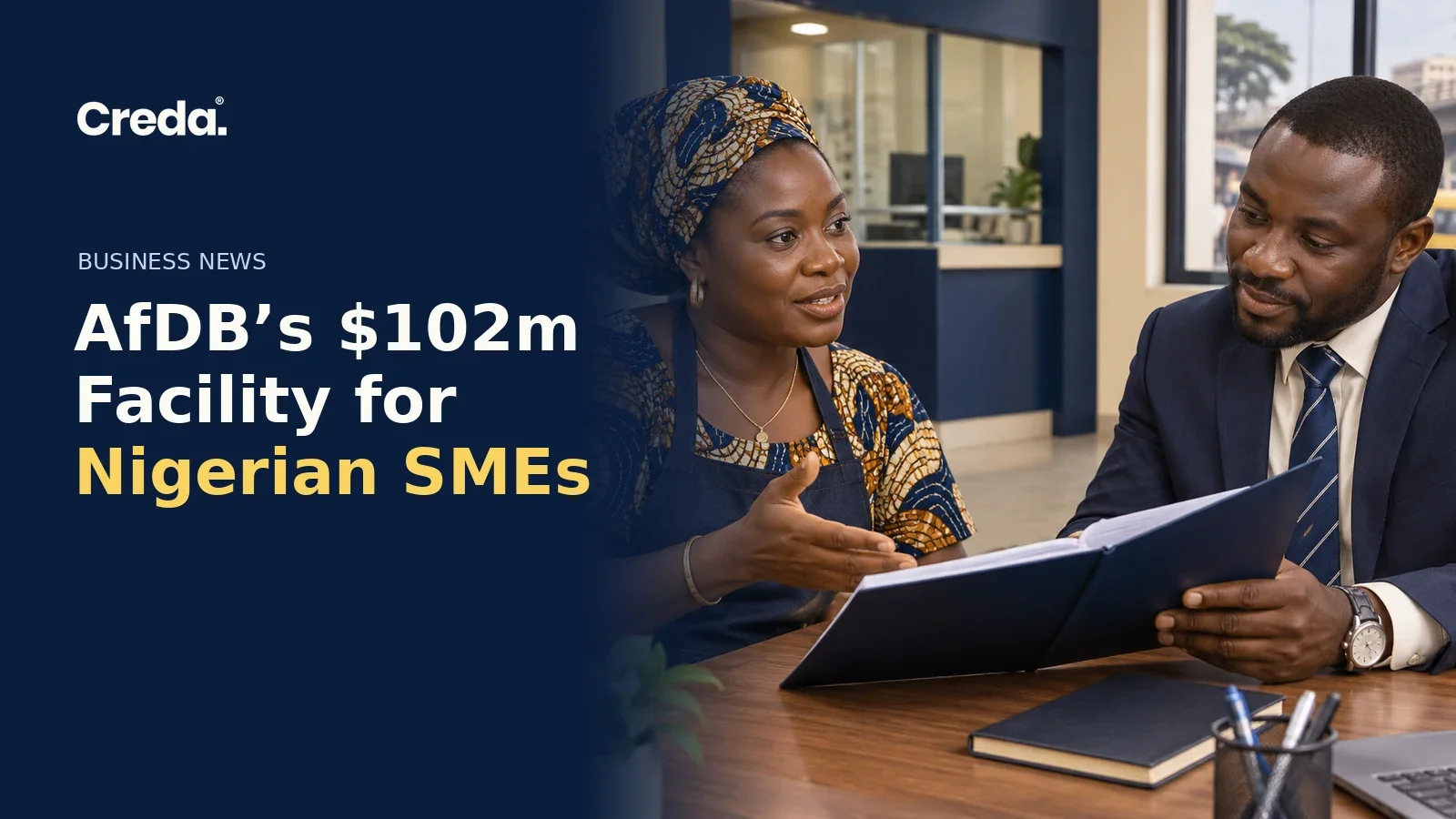
The African Development Bank (AfDB) has approved a US$102 million financing package for Sterling Bank Nigeria. The announcement is important because it is designed to channel different forms of finance into Nigerian businesses, farmers and projects that can create jobs. But there is one point business owners should understand from the beginning: the approval of a facility between two financial institutions does not automatically mean every SME can apply for a loan today. The bank still has to make the relevant products available and communicate the terms.
For a business owner, the useful question is not simply how large the announcement sounds. It is whether your business fits one of the financing areas, what evidence you need, and how to prepare before approaching the bank.
What exactly has been approved?
AfDB announced the package on 17 November 2026. It is made up of four components:
US$50 million line of credit: funding Sterling Bank can use to provide longer-term finance to eligible businesses.
US$20 million sustainable loan: intended for qualifying projects with environmental or social benefits.
US$2 million concessional agricultural financing: aimed at vulnerable smallholder farmers and agri-SMEs through the bank’s agricultural financing arrangement.
US$30 million trade finance transaction guarantee: designed to support trade transactions and help businesses participate in supply chains and new markets.
These components serve different needs. A farmer who needs seasonal production finance is not necessarily applying for the same product as a manufacturer purchasing equipment or an exporter fulfilling a large order. That is why applicants should not assume that one interest rate, loan size or repayment period applies to the entire US$102 million.
AfDB says the package is expected to support at least 200 businesses, more than 5,000 smallholder farmers and up to 6,000 jobs. It also states that at least 30 per cent of the line of credit will be directed to eligible women-owned, women-led and youth-owned enterprises.
Which businesses may benefit?
The announcement identifies priority areas that include agriculture, healthcare, education, renewable energy and transportation. It also refers to women- and youth-led businesses, sustainable green and social investments, and vulnerable farming communities.
This does not mean that every business in these sectors will automatically qualify. A business will still need to meet the requirements of the particular Sterling Bank product through which the financing is made available.
For example, a food-processing company seeking a production machine may need to demonstrate that it has a reliable supply of raw materials, customers who buy its products and enough cash flow to meet repayments. A renewable-energy company may need to show the project’s cost, expected customers, revenue model and the environmental benefit it will deliver.
A smallholder farmer or an agricultural cooperative may be assessed differently from a medium-sized company seeking trade finance. The important thing is to identify the correct financing route rather than approach the bank with a general request for money.
How can an SME prepare?
While the detailed application terms should be confirmed directly with Sterling Bank, there are practical things you can put in order now.
1. Make sure your business records are current. Keep your registration documents, ownership details, tax information where applicable, business address and bank statements organised. If your records contain different business names or inconsistent figures, resolve those issues before applying.
2. Know exactly how much you need. Do not begin with an amount you simply hope to receive. Prepare a cost breakdown. If you need a processing machine, separate the equipment cost from installation, transport, staff training and working capital.
3. Show how the money will produce income. A lender needs to understand how the proposed investment will improve the business. Explain what you currently produce, what additional capacity the investment will create, who will buy the extra output and when the business expects to receive payment.
4. Prepare realistic financial records. Gather recent bank statements, sales records, invoices, supplier quotations and a simple cash-flow forecast. If your business earns more during certain seasons, show this clearly. A forecast should reflect slow periods as well as good months.
5. Explain the repayment plan. If the financing is a loan, identify the source of repayment. Do not depend on a new contract that has not been signed or sales that have not been secured. Use realistic assumptions and leave room for unexpected costs.
Questions to ask Sterling Bank
Before submitting documents or accepting an offer, ask the bank:
Which specific product is being funded through this AfDB arrangement?
Is the product currently open to applications?
Which sectors, business sizes and locations are eligible?
What is the minimum and maximum financing amount?
What interest, fees or other charges apply?
Is collateral or a guarantee required?
What repayment period is available?
Can the facility support equipment, working capital, trade finance or more than one of these?
Where should applications be submitted, and how can applicants verify that they are dealing with an authorised bank representative?
Ask for the answers in writing. Do not pay an individual who claims to have special access to the facility or promises guaranteed approval.
A practical example
Imagine a Nigerian agribusiness that buys cassava from smallholder farmers and processes it into flour. The business wants to purchase a dryer and increase production.
Instead of simply telling the bank that it needs money to expand, the owner can present a supplier quotation for the dryer, the cost of installation, the quantity of cassava currently processed each month, the expected increase in production and the buyers who can take the additional output.
The business should also explain how it will pay farmers, manage inventory and repay financing during months when supply or demand is lower. This makes the request easier to assess because the proposed investment is connected to a clear business plan.
What this announcement does not mean
The US$102 million is not a grant being shared among Nigerian SMEs. It is a financing package with different lending and risk-support components. Businesses should expect to meet the conditions attached to the relevant product.
Also, the announcement does not establish that applications are already open to the public, nor does it provide one universal interest rate or loan amount. Confirm the current position through Sterling Bank's official channels before making business decisions.
Frequently asked questions
Is the AfDB US$102 million facility a grant?
No. The package includes a line of credit, a sustainable loan, concessional agricultural financing and a trade finance guarantee. These are different financing instruments, not a general grant distribution.
Can a small business in Nigeria benefit?
Potentially, if it falls within the eligible categories and meets the requirements of the relevant Sterling Bank product. The bank must confirm the specific eligibility rules and application process.
Are women-owned and youth-led businesses included?
Yes. AfDB says at least 30 per cent of the line of credit is intended for eligible women-owned, women-led and youth-owned enterprises.
Can a business apply directly to AfDB?
The announced arrangement is channelled through Sterling Bank Nigeria. Businesses should contact Sterling Bank for information on the products and application route.
What should I prepare first?
Start with your business registration and ownership records, bank statements, recent sales information, a clear funding request, supplier quotations and a realistic cash-flow forecast.
The next step for business owners
Do not wait until an application window opens before organising your records. Use this announcement as an opportunity to assess your business, identify what kind of financing would actually help and prepare the evidence to support your request.
A business that understands its numbers and can explain how financing will improve its operations is in a stronger position to have a serious conversation with a lender.
Check your funding readiness on CredaBiz. Select business loan as your funding goal and compare the resulting gaps with the product requirements Sterling Bank confirms. Start by recording how much you need, what the money will buy and when the business expects to collect the cash that would support repayment. Use the assessment to prepare for a bank conversation.
Sources and further reading
This article explains a financing announcement, not a promise of loan approval. Confirm current product availability, eligibility and terms directly with Sterling Bank.
Join the conversation
Share a brief thought or question about this article.
No comments yet. Be the first to share a thought.
Suggested for you

Business news
First Circle Capital Closes $26m Fund for African Fintech
First Circle Capital announced the final close of Africa Fund I, a venture fund for African fintech businesses and infrastructure.
28 November 2026
Business news
West Africa’s Solar Demand Opens a Manufacturing Question for Nigeria
An $8.5 billion opportunity estimate puts attention on what Nigerian solar businesses can supply and service across the region.
27 November 2026
Business news
Clea Opens Faster Dollar Payment Routes for African Importers
Clea says its new USD routes can move eligible payments from Africa to suppliers in China and Hong Kong in as little as three hours.
26 November 2026