
Funding and grants
Can Export Support Programmes Guarantee Buyers?
Understand what export support can deliver and how to qualify an overseas buyer before spending money on stock or shipping.
An export support programme may offer market information, training or introductions. Read its written terms to see what it promises. A connection made at a trade fair or through a matchmaking service is a lead you still need to qualify.
Turn an introduction into a buyer brief
Ask the contact to specify the product, expected volumes, quality requirements, target delivery date and who decides whether to place the order. Check the buyer’s business identity through reliable sources. Find out how it handles samples, inspection and payment. An email saying “we are interested” is a reason to keep talking.
Use the written order or contract to agree who pays for freight, handles import formalities and bears loss in transit. Consider a small first order when the relationship and logistics are new. Check product rules before producing custom stock.
Example. A buyer at an overseas exhibition asks a dried-fruit producer to send a pallet. Before buying fruit for the order, the producer asks for the specification, destination, labelling requirements, order value, inspection standard and payment arrangement. If the buyer agrees only to evaluate a sample, the producer records that as a sample request.
Track what support actually produced
Record introductions, verified contacts, samples requested, quotes sent and paid orders separately. If you pay to participate in a programme, ask what will be delivered and when. Use that record to decide whether to repeat the activity.
Should I ship before receiving payment? Resolve payment terms and risk controls for the particular order before shipping. Ask your bank or trade adviser about options and what happens if the buyer disputes the delivery.
The Nigerian Export Promotion Council exporter resources explain the council’s services and registration route.
Use a buyer follow-up sheet
After a meeting, enter the buyer’s company, contact, product specification, intended market and order size. Mark each item as confirmed or still open. Ask who can approve the next step and when they expect to make a decision. Verify company details separately before agreeing to costs.
Send a recap of the product, likely quantity, destination and dates discussed.
Ask the buyer to confirm the specification, sample size and review process.
Cost the sample and larger order separately. Record packaging, transport, bank charges and any inspection the parties agree to arrange.
Set a follow-up day and a practical condition for proceeding, such as receiving an agreed specification and written payment terms.
Suppose a fair introduces you to a distributor who wants 500 jars. Ask whether 500 means an initial trial or an ongoing order, what label they expect and who will pay for sample shipping. If the replies arrive in stages, keep the quotation provisional until the missing terms are settled. Compare confirmed leads, samples and paid orders when judging the programme.
Plan buyer follow-up with CredaBiz
Plan buyer follow-up with CredaBiz. Bring the lead, the open commercial questions and your capacity estimate to explore a first test or quotation.
Join the conversation
Share a brief thought or question about this article.
No comments yet. Be the first to share a thought.
Suggested for you

Funding and grants
UNDP’s timbuktoo AgriTech Launchpad Accepts Startups on a Rolling Basis
UNDP’s Ghana-hosted AgriTech Launchpad offers rolling incubation for African startups building technology for agriculture.
28 November 2026
Funding and grants
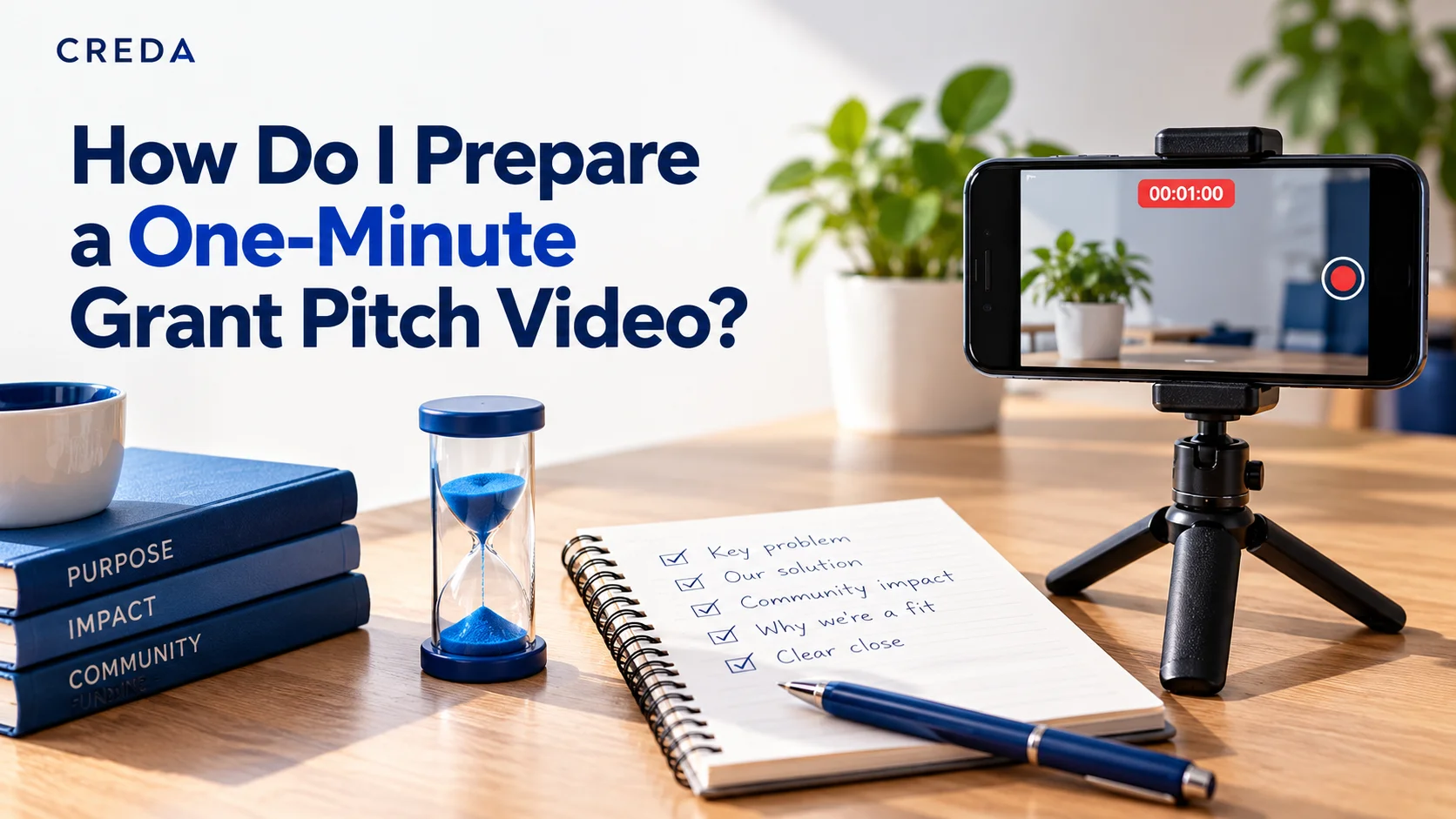
How to Record a One-Minute Grant Pitch Video
Build a one-minute grant pitch around the customer problem, evidence, use of funds and a credible outcome.
28 November 2026

Funding and grants
Sèmè City Opens a $7,000 NEXT IMPACT Ideation Window for Benin Residents
Sèmè City’s official call lists 15 December 2026 for aspiring entrepreneurs who reside in Benin and have an eligible idea.
27 November 2026