
Business news
GEXPO 2026: How Ghanaian SMEs Can Turn Trade-Fair Meetings into Sales
Use GEXPO 2026 in Accra to meet wholesale and export buyers. Prepare a product sheet, check your costs, agree concrete next steps and follow up after the fair.
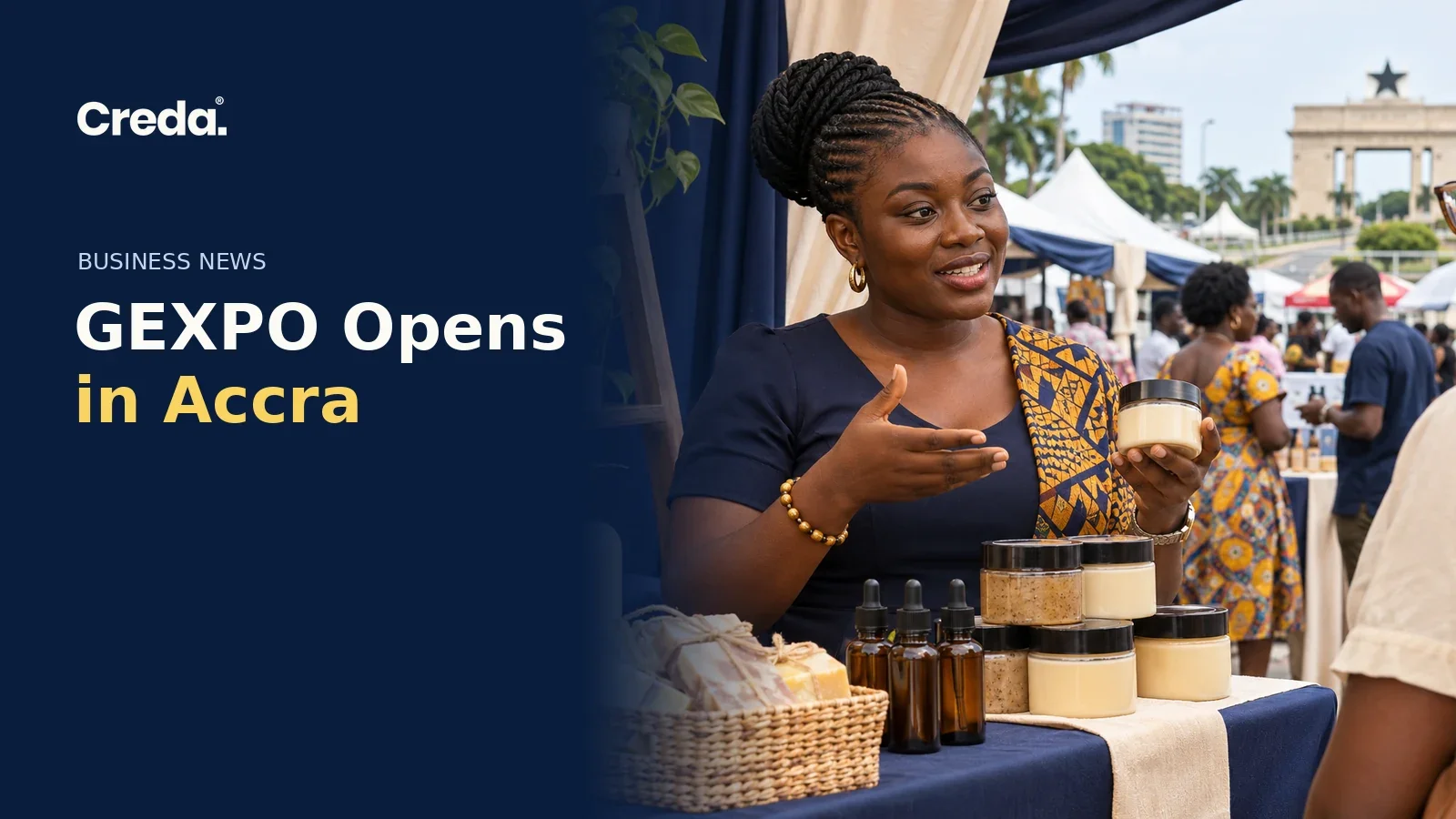
Trade fairs can create opportunities for small businesses, but simply displaying products and sharing business cards does not automatically lead to sales. The real value comes from meeting the right buyers, understanding what they need and following up with a clear offer.
That is the thinking behind the Ghana Export and Made in Ghana Fair (GEXPO) 2026, taking place from 18 to 22 November at Black Star Square in Accra. The event brings Ghanaian businesses together with buyers, investors and other trade stakeholders, with a focus on promoting Made-in-Ghana products and services.
For SMEs, manufacturers and exporters, the fair is an opportunity to present products, learn what buyers expect and start conversations that can lead to distribution or supply agreements. The important thing is to approach it with a plan.
What is GEXPO 2026?
GEXPO is an export and trade exhibition designed to connect local businesses with buyers from Ghana, other African countries and international markets. The official event information identifies sectors such as agro-processing, handicrafts, textiles and garments, light manufacturing, cosmetics and natural oils, as well as services and digital trade.
The programme also includes business-to-business matchmaking, seminars and opportunities to learn about the African Continental Free Trade Area (AfCFTA), product standards, packaging, branding and export finance.
This matters because exporting involves more than finding someone who likes your product. A business must be able to supply consistently, meet the buyer's specifications, price the product properly and deliver it in the condition promised.
Who can benefit from a trade fair like this?
GEXPO is relevant to several types of businesses:
Manufacturers: Businesses looking for distributors, wholesalers or bulk buyers.
Agricultural processors: Producers of packaged foods, spices, oils and other value-added products.
Fashion and textile businesses: Brands seeking retail buyers, bulk orders or regional distribution.
Cosmetics and personal-care companies: Businesses looking to introduce products to new markets.
Service providers: Companies offering logistics, digital services, professional support and other business solutions.
Export-ready SMEs: Businesses that already have products and want to understand the requirements of selling outside their home market.
A business does not have to be large to benefit from a trade fair. However, it should be clear about what it can supply and what kind of buyer it wants to meet.
Prepare before you meet a buyer
One of the biggest mistakes exhibitors make is attending an event without a clear commercial offer. A buyer may be interested in your product but still need basic information before considering an order.
Prepare a one-page product or service sheet that includes:
Your company name and contact details.
Product names, descriptions and good-quality images.
Available sizes, packaging options or service specifications.
Wholesale and retail prices, where applicable.
Minimum order quantity.
Production or service capacity.
Lead time for delivery.
Payment terms and delivery locations.
Be honest about your capacity. If you can supply 500 units per month, do not promise 5,000 simply because a buyer is interested. A smaller order delivered reliably can create a better business relationship than a large order you cannot fulfil.
How to have a useful conversation with a buyer
When someone approaches your stand, do not rush into a long presentation about your company. Start by understanding the buyer.
Ask questions such as:
What type of products are you looking to source?
Which market or customers do you serve?
Are you buying for retail, wholesale, distribution or manufacturing?
What quantity do you normally purchase?
What packaging or quality requirements do you have?
When would you need the first delivery?
These questions help you determine whether the person is a genuine potential customer and whether your business can meet the requirement.
If the buyer asks for a sample, agree on what happens next. Record the product, quantity, delivery method and date for feedback. If the conversation involves exclusive distribution or private labelling, do not make a commitment without understanding the expected volume, territory, pricing and responsibilities.
Understand your real selling price
A buyer may ask for a discount, especially when discussing a wholesale order. Before agreeing, understand your cost.
For a packaged food product, your calculation may include raw materials, processing, packaging, labour, transport, storage, quality checks, taxes and payment charges.
A simple example:
If producing one unit costs GH₵20 and delivering it to the buyer costs another GH₵3, your cost is already GH₵23 before you account for overhead and profit. Selling at GH₵25 may look like a sale, but the margin may be too small to sustain the business.
Prepare different prices for different order sizes only when the cost structure supports them. Do not offer a discount that makes the order unprofitable.
If you want to export, prepare for more than the sale
A buyer in another country may have requirements that differ from those in your local market. Depending on the product and destination, you may need to consider:
Product registration or certification.
Labelling and packaging rules.
Quality and safety standards.
Customs and export documentation.
Rules of origin and applicable trade arrangements.
Freight, insurance and delivery responsibility.
Payment currency and the risk of delayed payment.
Do not assume that participation in a trade fair or a regional trade agreement removes every export requirement. Confirm the rules that apply to your specific product and destination.
What to do after the fair
The follow-up is where many opportunities are either developed or lost.
Within two business days of meeting a serious buyer, send a short message reminding them of the conversation. Include the product information discussed, the price or quotation if agreed, and one clear next step.
For example, you might propose sending a sample, arranging a product demonstration or preparing a quotation for a specific quantity.
Keep a simple record of every contact:
| Information | What to record |
|---|---|
| Buyer | Name and company |
| Market | Country or city |
| Interest | Product or service requested |
| Requirement | Quantity, quality or packaging |
| Next step | Sample, quotation or meeting |
| Follow-up date | Agreed date to reconnect |
This makes it easier to distinguish genuine opportunities from casual conversations.
How to measure whether attending was worthwhile
Do not measure the success of a trade fair only by the number of visitors to your stand. Measure the quality of the conversations and what happens afterwards.
Track the number of qualified buyers you met, samples requested, quotations sent, follow-up meetings held, trial orders received and repeat orders secured.
You may not close a major contract during the event itself. A buyer who requests a sample and returns with a purchase order three weeks later can be more valuable than dozens of visitors who never respond.
Frequently asked questions
What is GEXPO 2026?
It is the Ghana Export and Made in Ghana Fair, an exhibition connecting Ghanaian businesses with buyers, investors and trade stakeholders.
Where and when is GEXPO taking place?
The 2026 event is scheduled for 18–22 November at Black Star Square in Accra, Ghana.
Which businesses can participate?
The event information covers agro-processing, textiles, handicrafts, manufacturing, cosmetics, services and digital trade, among other sectors.
Does exhibiting guarantee export orders?
No. A trade fair provides access to potential buyers and business conversations. Orders depend on product suitability, price, quality, supply capacity and the buyer's decision.
What should a small business bring?
Bring product samples where practical, a clear price list, a one-page company profile, contact details and information about production capacity and delivery.
Turn your buyer notes into an action plan
Once you have identified a qualified buyer, pick a follow-up that moves the discussion forward. Ask who approves a sample or trial order and agree a date for their response. If the buyer requests an export quotation, confirm the delivery destination, order size and specific compliance documents before giving a firm price. Send a recap message and record the next action in your buyer log.
Explore CredaBiz Business Support & Advisory if you want help turning buyer feedback into a sales plan. Bring a short product sheet, your current capacity and the top buyer requirements you recorded. Identify the decision you need to make first, such as pricing a trial order or planning the work needed to fulfil it.
Event information: Official GEXPO 2026 website
Event dates and programme details are based on the organiser's published information. Confirm current arrangements directly with the organisers before making travel or exhibition plans.
Join the conversation
Share a brief thought or question about this article.
No comments yet. Be the first to share a thought.
Suggested for you

Business news
First Circle Capital Closes $26m Fund for African Fintech
First Circle Capital announced the final close of Africa Fund I, a venture fund for African fintech businesses and infrastructure.
28 November 2026

Business news
West Africa’s Solar Demand Opens a Manufacturing Question for Nigeria
An $8.5 billion opportunity estimate puts attention on what Nigerian solar businesses can supply and service across the region.
27 November 2026

Business news
Clea Opens Faster Dollar Payment Routes for African Importers
Clea says its new USD routes can move eligible payments from Africa to suppliers in China and Hong Kong in as little as three hours.
26 November 2026