
Funding and grants
How Can I Tell Whether My Business Is Ready for a Loan?
Check whether a loan fits your business by naming the use, comparing instalments with expected cash collections and testing what happens when payments from customers arrive late.
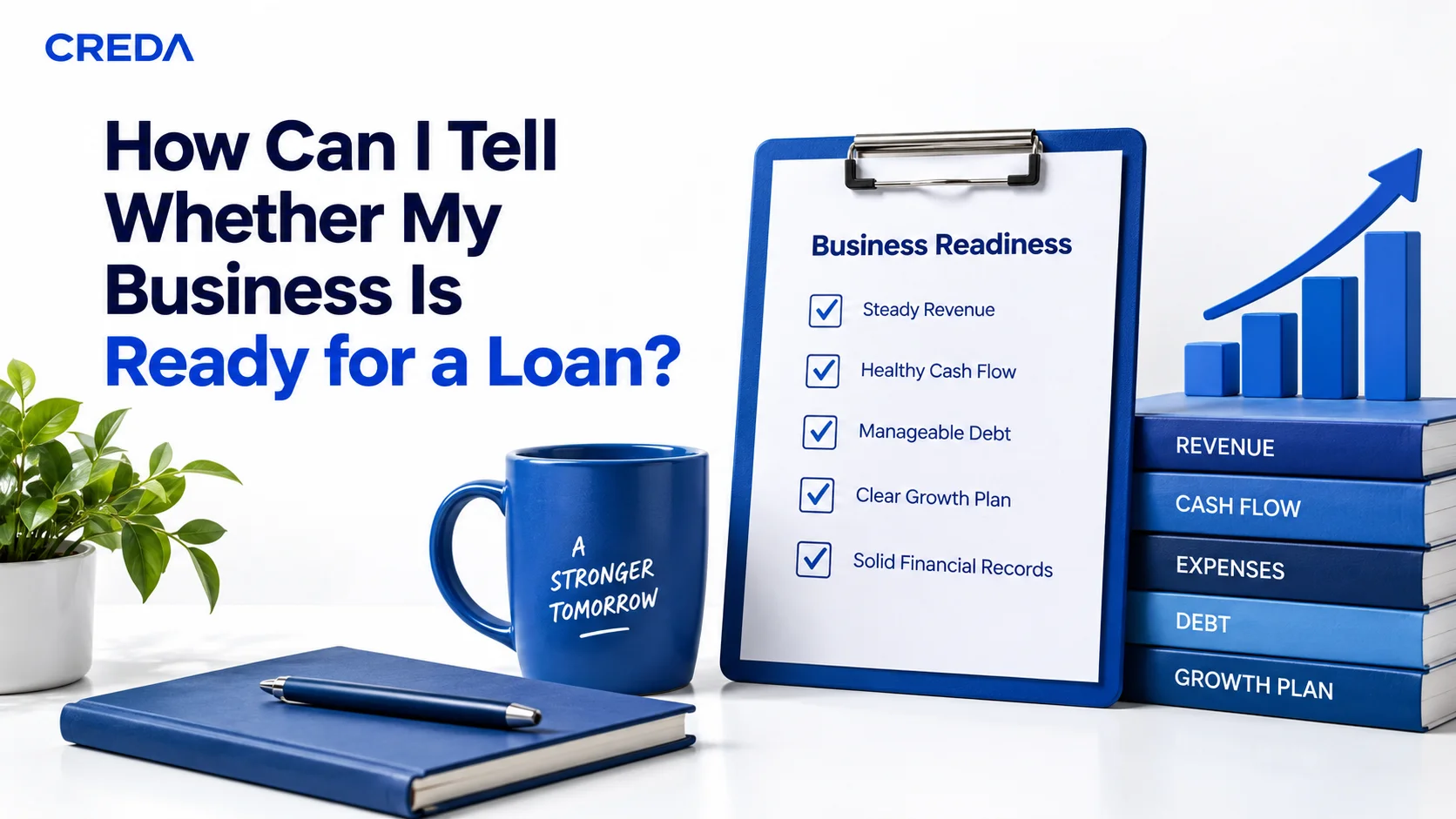
Check what the loan will do and how the business will repay it
Start with one specific use, such as an equipment purchase supported by customer demand or the stock for a confirmed order. Write down the amount, expected timing and cost. Then explain how the business will generate or protect enough cash to repay the loan at the dates the lender proposes. Approval and ability to repay are different questions.
Build a simple repayment test
Pick the right period. Use weeks for short stock cycles or months for a longer equipment purchase. Enter when you expect customers to pay. Base the timeline on actual collection patterns where you have them.
List essential outgoings. Include suppliers, wages, rent and current debt. Mark which costs must be paid before the funded work can produce receipts.
Add the proposed instalments. Use the lender’s written schedule. Include applicable charges and check how much will reach your account after any upfront deductions.
Model one realistic setback. Move a major customer payment later or reduce expected receipts. Work out which period runs short, when that would occur and how you would cover essential costs.
A worked cash-flow example
| One-month example | Expected collections | Late customer payment |
|---|---|---|
| Cash collected | ₦700,000 | ₦520,000 |
| Essential outgoings and existing debt | ₦480,000 | ₦480,000 |
| Cash available before proposed instalment | ₦220,000 | ₦40,000 |
| Proposed instalment | ₦150,000 | ₦150,000 |
| Cash left or shortfall | ₦70,000 left | ₦110,000 short |
These figures are illustrative. The next question is whether the business can cover the shortfall without missing essential payments. A business in this situation could discuss a smaller facility, a different repayment schedule or the option of waiting until demand and payment dates are clearer.
Ask for the terms you will use to make the decision
Get written answers for the repayment schedule, interest calculation, fees, security or guarantees, and what happens when a payment is late. Confirm which documents the lender needs and for what time period. Compare quotes over the full repayment term using the same borrowing amount. If key terms are unclear, ask the lender to explain them before taking on a commitment.
Check your funding records on CredaBiz
Use the CredaBiz Funding Readiness Assessment. Select business loan and compare the gaps in your scorecard with the records you plan to give the lender. Keep your cash-flow test and the written offer together so you can revisit the decision when the terms change.
References
Join the conversation
Share a brief thought or question about this article.
No comments yet. Be the first to share a thought.
Suggested for you

Funding and grants
UNDP’s timbuktoo AgriTech Launchpad Accepts Startups on a Rolling Basis
UNDP’s Ghana-hosted AgriTech Launchpad offers rolling incubation for African startups building technology for agriculture.
28 November 2026

Funding and grants
How to Record a One-Minute Grant Pitch Video
Build a one-minute grant pitch around the customer problem, evidence, use of funds and a credible outcome.
28 November 2026

Funding and grants
Sèmè City Opens a $7,000 NEXT IMPACT Ideation Window for Benin Residents
Sèmè City’s official call lists 15 December 2026 for aspiring entrepreneurs who reside in Benin and have an eligible idea.
27 November 2026